
Programmes · Energy & Regenerative Agriculture
Turning Farm Waste into Healthy Soil and Better Livelihoods
Our Biochar Programme helps smallholder farmers rebuild soil health by producing and using biochar from locally available agricultural residues, alongside quality organic fertiliser.
Why biochar
From agricultural waste to a valuable resource
Ke Devries Company Limited (KDCL) is an emerging Biochar Champion. We promote the responsible production, processing and application of biochar from locally available agricultural residues and biomass, turning what is often treated as waste into a valuable agricultural resource.
We advocate biochar and quality organic fertiliser as complementary regenerative solutions that help farmers rebuild soil health while reducing their dependence on increasingly costly external inputs.
The challenges we are responding to
Farmers across the region face a set of connected problems:
- Declining soil fertility
- Land degradation
- Climate variability
- Moisture stress
- Agricultural waste
- Rising cost of farm inputs
Benefits for farmers & soil
What biochar can do for your farm
When appropriately produced and applied, biochar supports the foundations of productive, resilient farming.
Better soil structure
Biochar supports healthier, more workable soil that holds together and drains well.
Moisture retention
Helps soil hold on to water, easing the pressure of moisture stress between rains.
Nutrient retention
Keeps nutrients available in the root zone so crops can make better use of what is applied.
Soil biological activity
Supports the living soil community that drives fertility and plant health.
Nutrient-use efficiency
Combined with organic fertiliser, helps farmers get more from every input they buy.
Carbon storage
Stores carbon in the soil while turning agricultural residues into a useful resource.
Stronger together with organic fertiliser
Combined with organic fertiliser, biochar offers an opportunity to restore soil organic matter, improve the efficiency of nutrient utilisation, strengthen climate resilience and promote more sustainable farming systems.
Our programme model
A practical, inclusive and scalable livelihood-transformation model
Building on our community engagement and agribusiness experience, we are establishing a model that connects soil restoration with farmer empowerment and economic opportunity.
What the programme brings together
- Biochar production and utilisation
- Organic fertiliser adoption
- Regenerative and climate-smart agriculture
- Farmer capacity building
- Enterprise development
- Waste-to-resource solutions
- Inclusive livelihood opportunities
Across the 14 Lake Region Economic Block (LREB) counties
We aim to reach communities throughout the Lake Region:
Expected outcomes
- Improved food security
- Higher household incomes
- Green livelihood opportunities
- Reduced environmental risks
- Long-term resilience of smallholder farming systems
Who we serve
Productive and dignified livelihoods for everyone
The programme creates practical pathways for people who are too often left out of agricultural opportunity.
- Women
- Young mothers
- Youth
- Persons with disabilities (PWDs)
- Fishmongers
- Smallholder farmers
- Other vulnerable community members
In the field
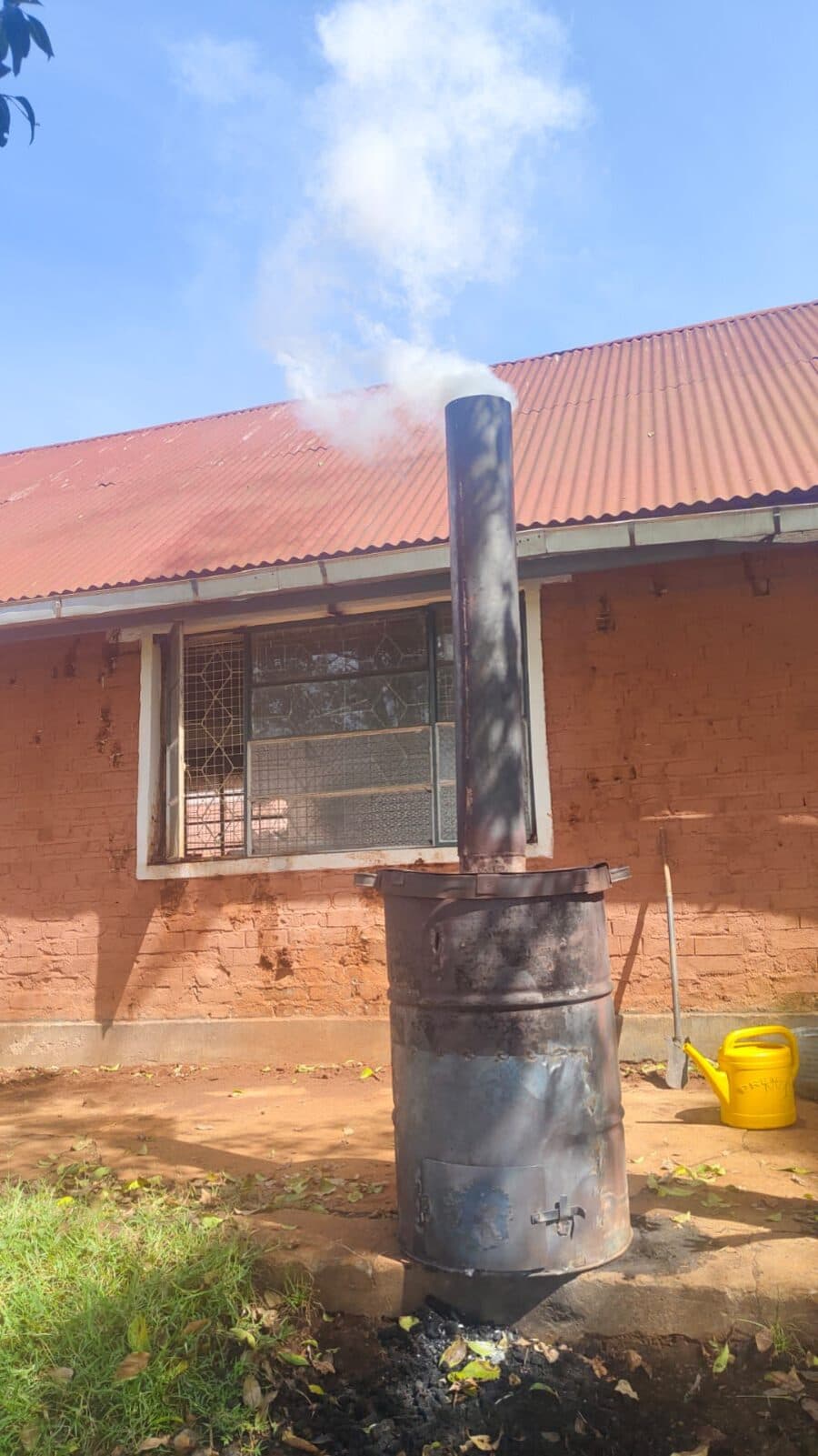
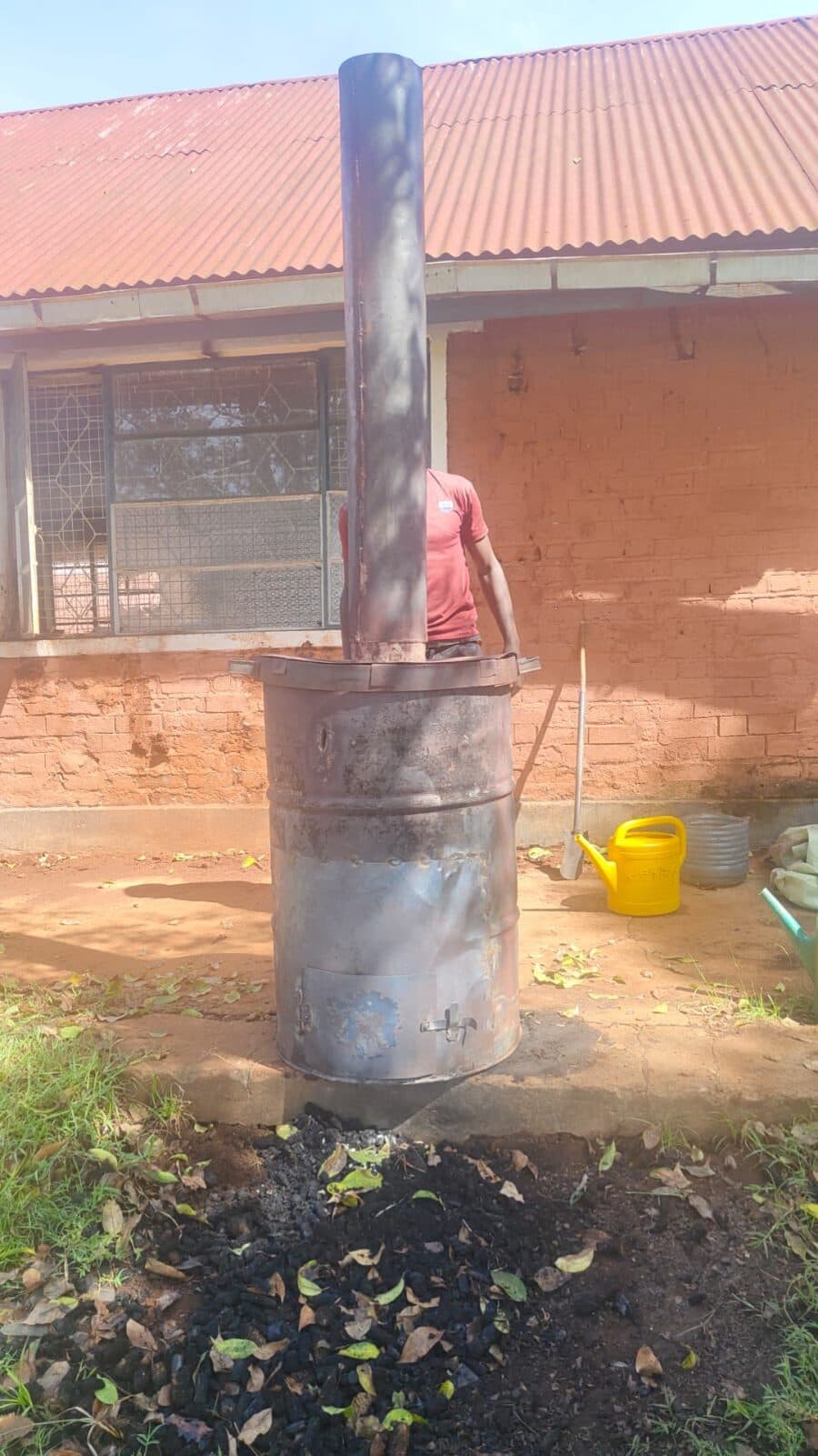
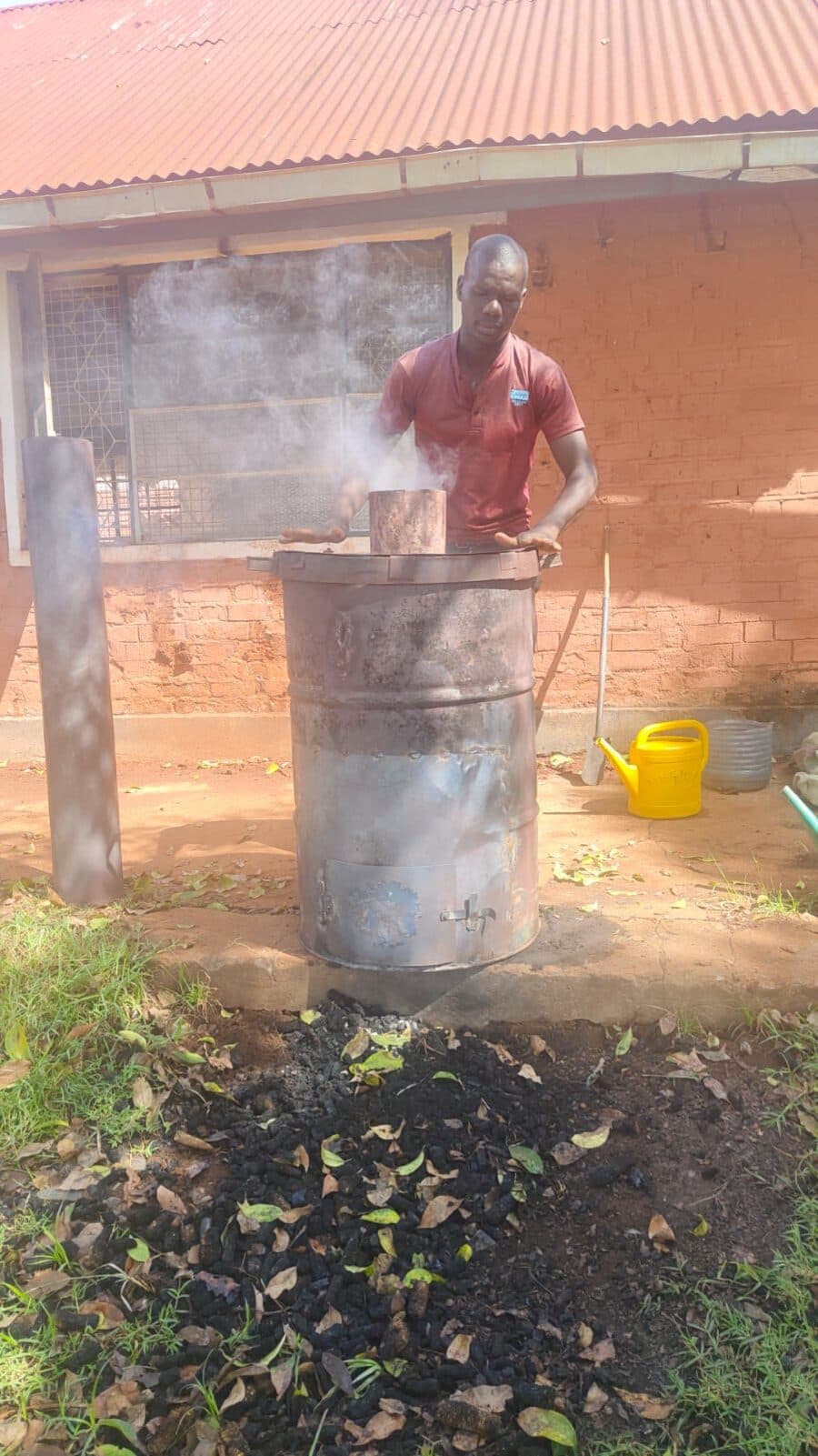
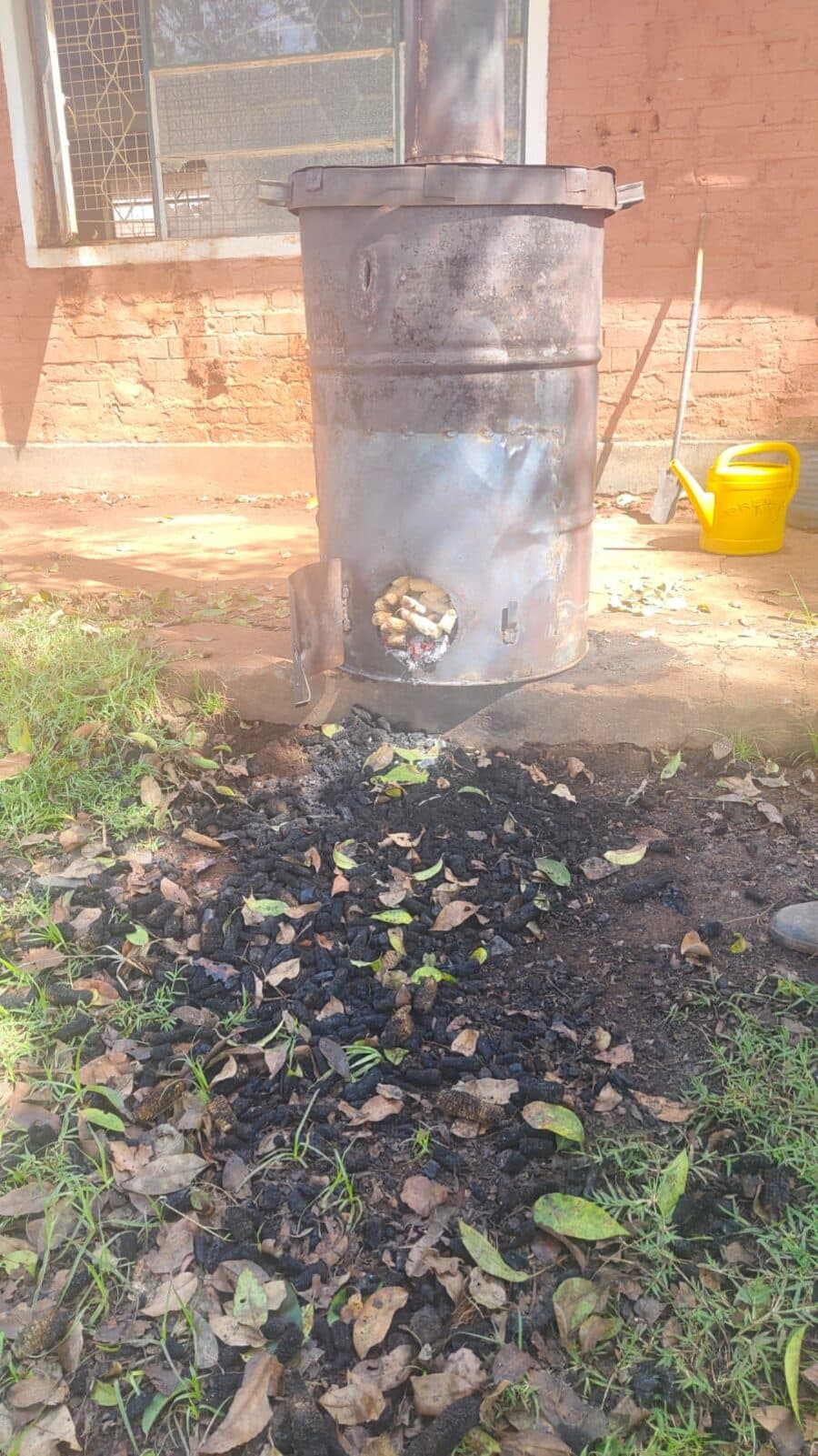
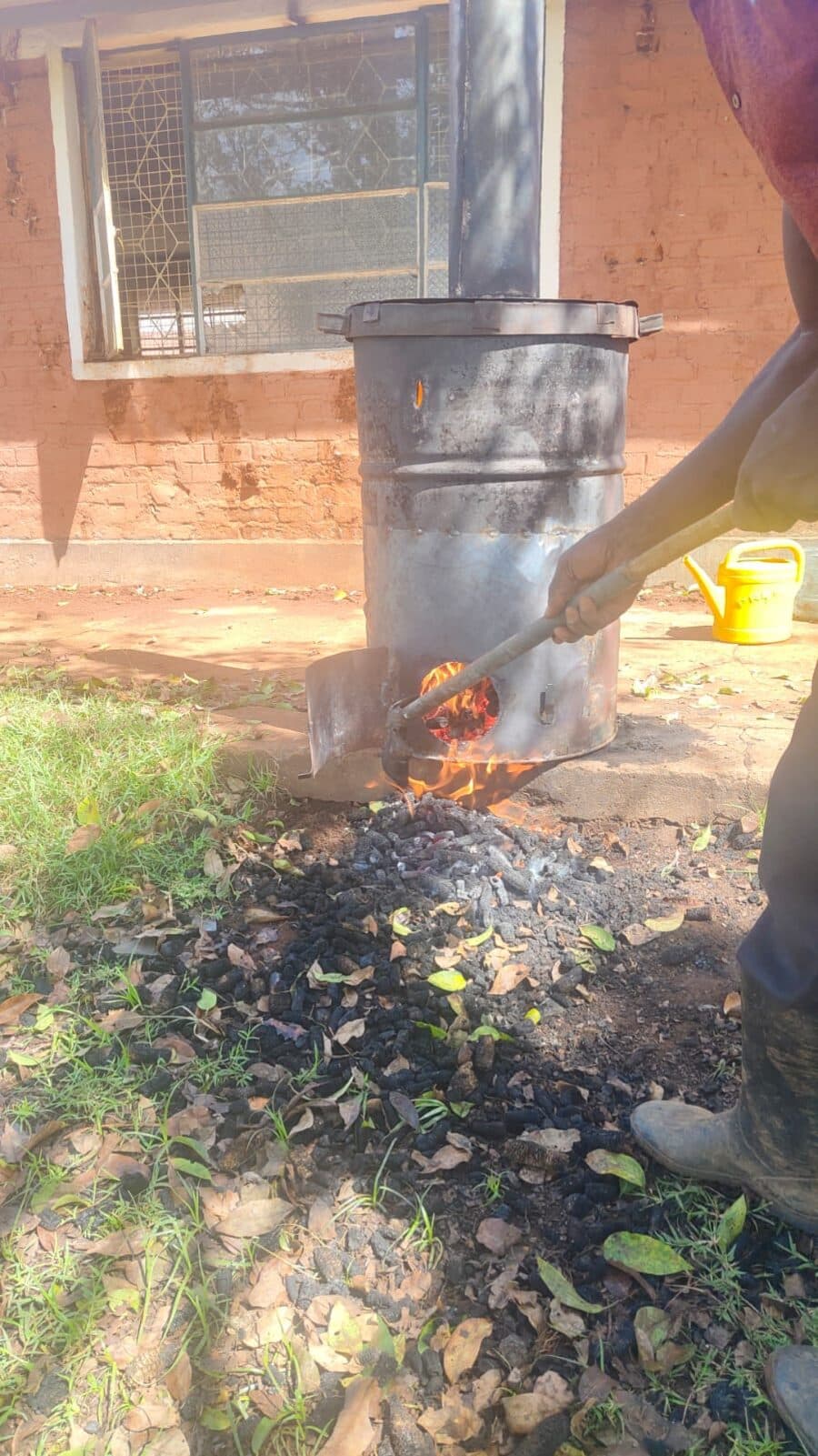
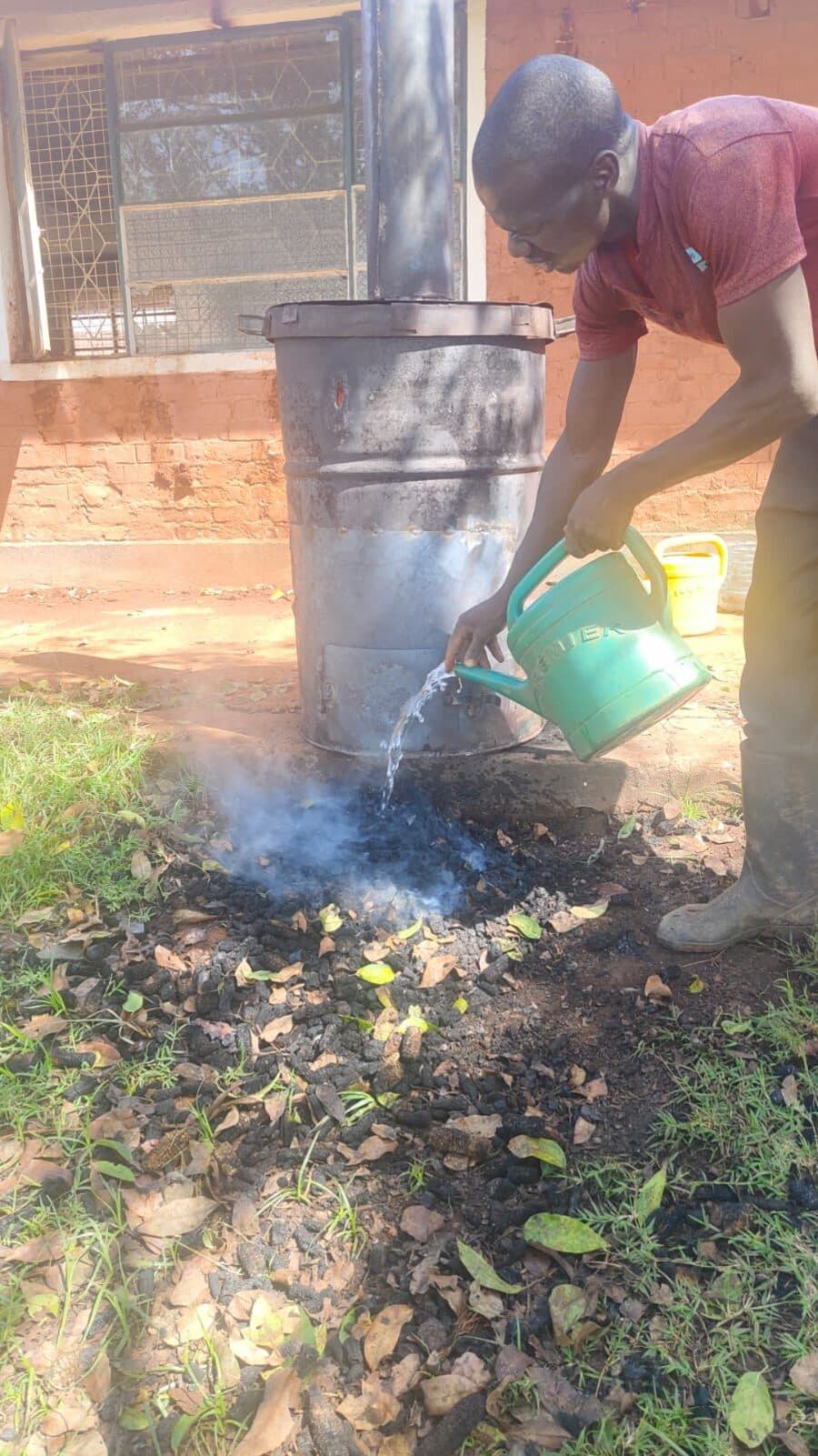
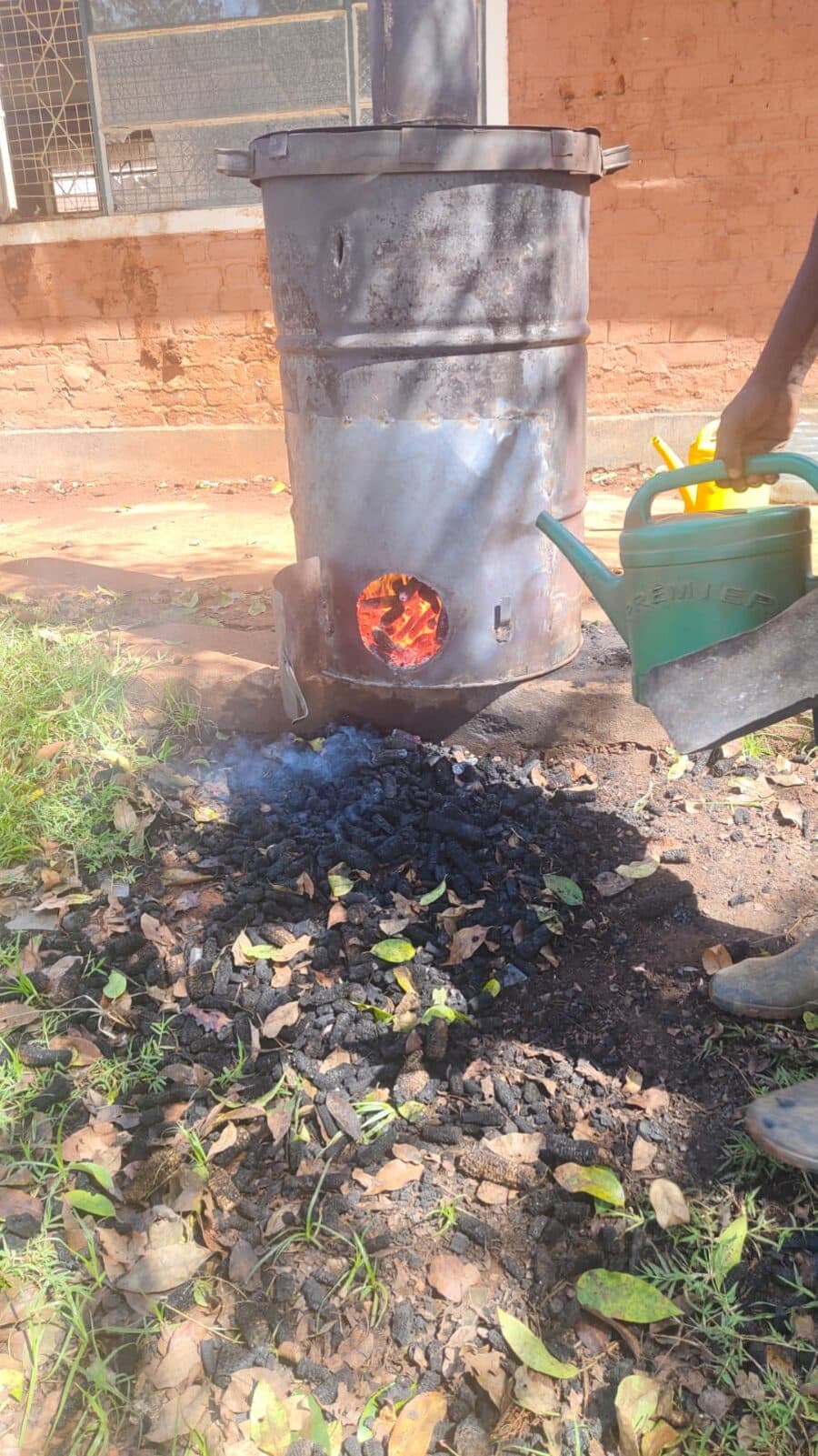
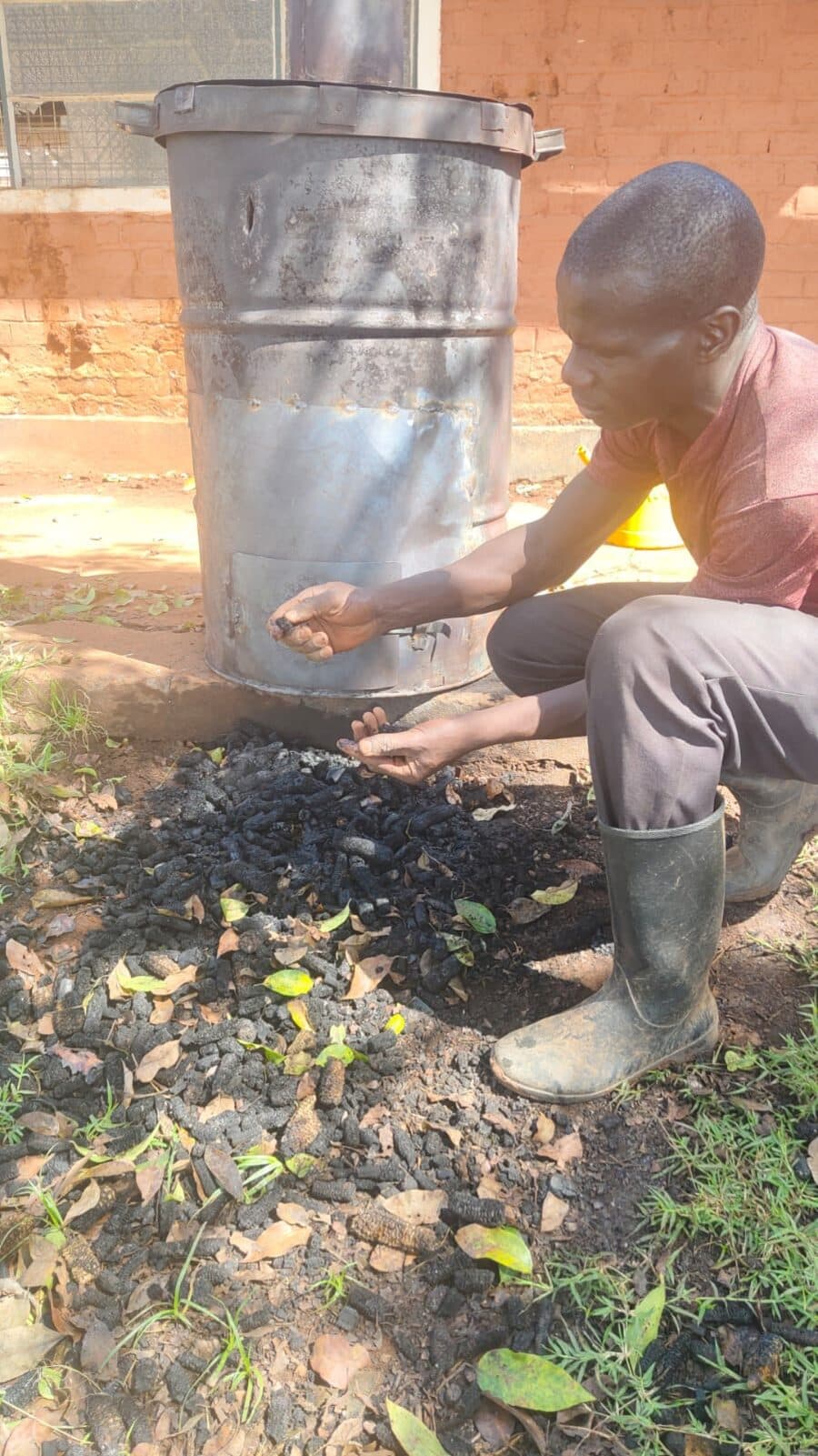
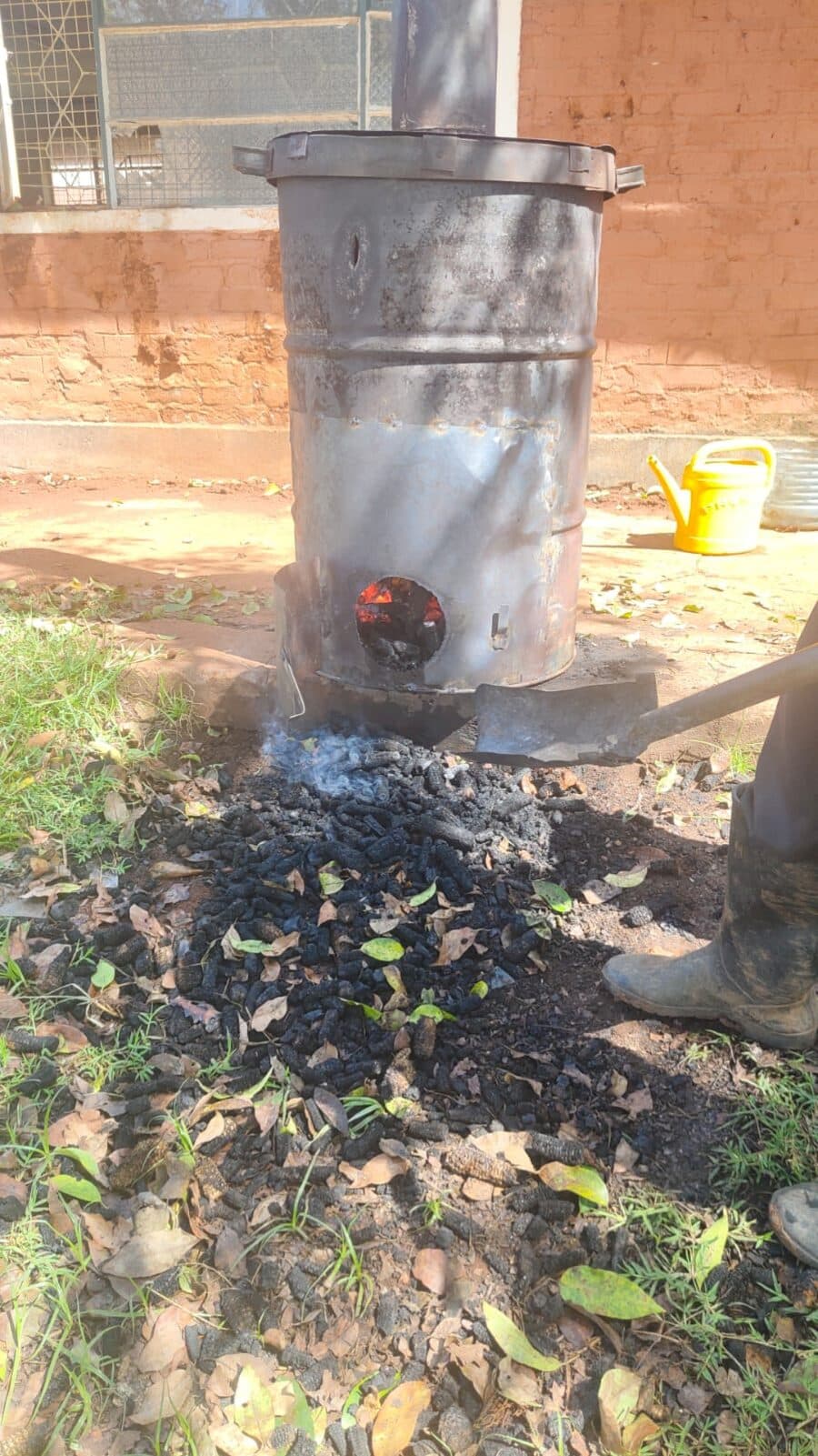
Biochar production, step by step
A look at biochar being made from maize cobs in a drum kiln during a live demonstration.
Ready to rebuild your soil?
Talk to our team about biochar training, organic fertiliser and joining the programme in your county.
+254 725 336 212 · info@kedevriesfarm.org
Ke Devries Farm Shop, Poster-Kavirondo Road, Homa Bay, Kenya
Monday – Saturday: 8:00 AM – 6:00 PM