
Ke devries Farm Ltd
Empowering Farmers in Kenya
Ke devries Farm Ltd
Empowering Farmers in Kenya
Data-driven, inclusive programmes accelerating clean energy transitions and regenerative agriculture across Western Kenya
Accelerating Clean Cooking Transitions in Western Kenya
Ke Devries Company Limited is implementing a data-driven and inclusive Clean Cooking and Energy Transition Programme aimed at accelerating the adoption of clean, efficient, and affordable cooking solutions across Western Kenya. The programme contributes to improved public health, environmental protection, climate mitigation, and inclusive economic development, with a strong focus on women, youth, persons with disabilities (PWDs), and other marginalised groups.
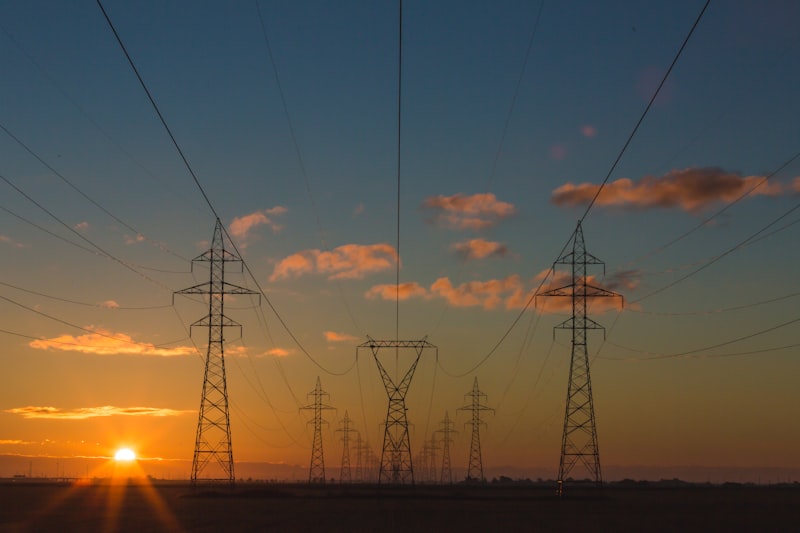
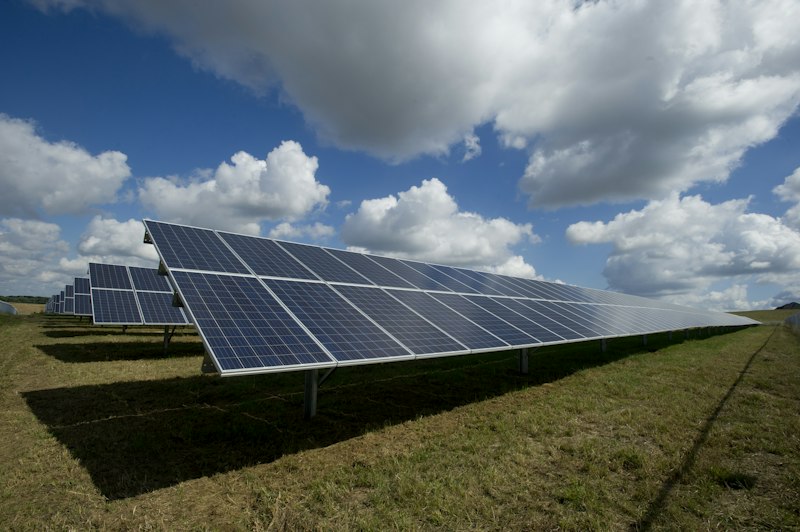
Across Western Kenya, a high proportion of households, institutions, and small businesses continue to rely on traditional biomass fuels such as firewood and charcoal. This results in negative health outcomes, environmental degradation, high household energy costs, and lost economic opportunities—particularly for women and young people who bear the greatest burden of cooking and fuel collection.
Ke Devries' Energy Programme addresses these challenges by strengthening clean cooking value chains, enhancing county and community capacity, and supporting evidence-based, gender-responsive planning and implementation aligned with national energy and climate strategies.
The programme is implemented across the Western and Lake Basin regions, working in close collaboration with county governments, community-based organisations, artisans, private sector actors, and financial institutions.
Ke Devries supports counties and local stakeholders to generate and use high-quality data to guide clean cooking interventions. This includes baseline assessments at household, institutional, market, and policy levels, with data disaggregated by gender, age, disability, and socio-economic status to ensure inclusive decision-making.
The programme strengthens the technical and institutional capacity of:
Ke Devries works with local suppliers, technicians, cooperatives, and micro-enterprises to improve last-mile delivery, after-sales services, and market linkages for clean cooking technologies and fuels. The programme promotes inclusive business models that create jobs and income opportunities at the community level.
The programme supports counties to develop and operationalise Clean Cooking Transition Policies and implementation guidelines, aligned with national frameworks such as the Kenya National Cooking Transition Strategy. Emphasis is placed on embedding Gender Equality, Disability, and Social Inclusion (GEDSI) principles in planning, budgeting, and implementation.
Through community engagement forums, partnerships with local leaders, and targeted awareness campaigns, the programme increases knowledge on the health, economic, and environmental benefits of clean cooking, enabling households and businesses to make informed energy choices.
The Energy Programme contributes to:
Agroecology, Climate-Smart Farming, and Youth Enterprise Development
Ke Devries Company Limited implements Regenerative Agriculture Programmes that restore ecosystems, improve farm productivity, and build resilient rural livelihoods. Our approach integrates agroecology, climate-smart agriculture (CSA), youth empowerment, and enterprise development, ensuring that farming systems are productive, inclusive, and environmentally sustainable.
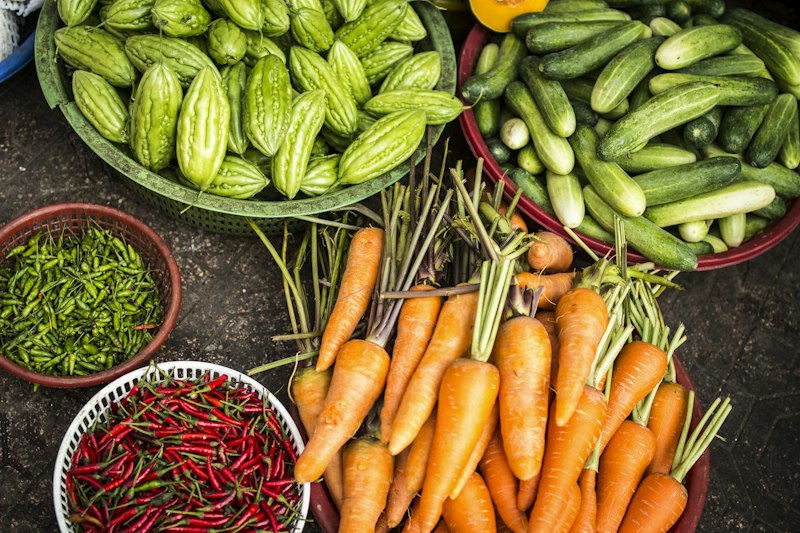
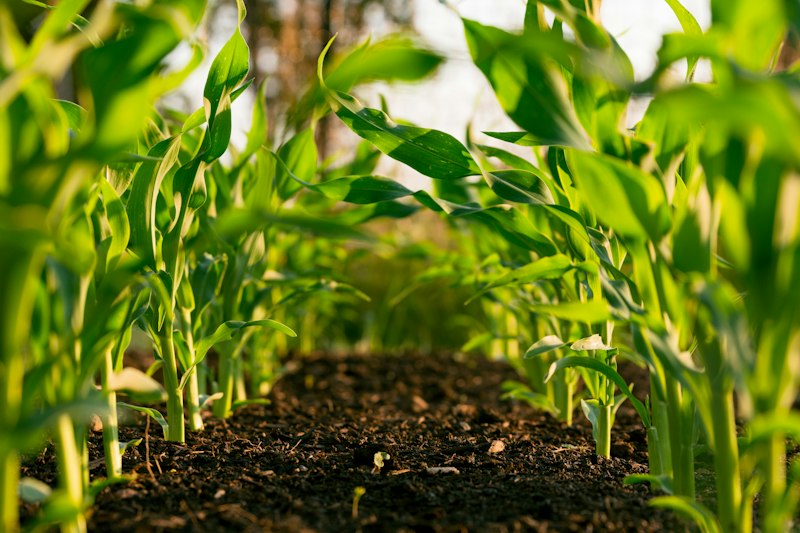
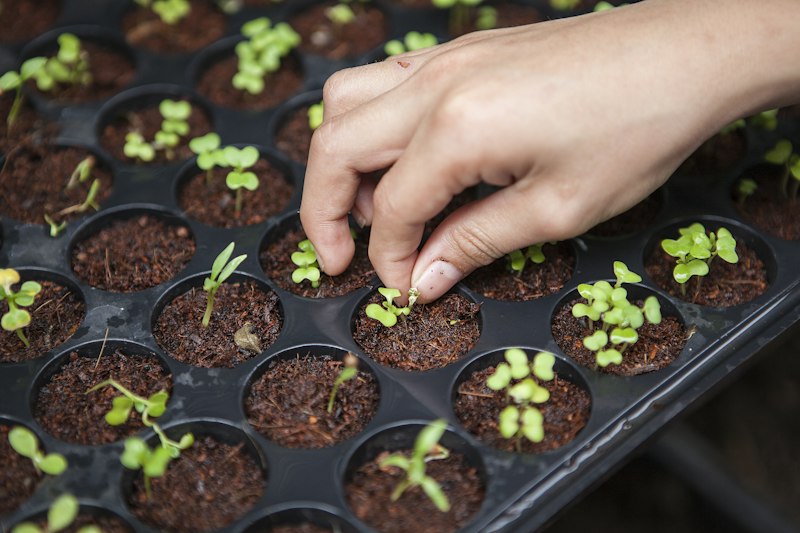
Smallholder farmers—particularly youth, women, and marginalised groups—face increasing climate risks, declining soil fertility, limited access to skills, finance, and markets, and weak links between agriculture and viable agribusiness opportunities. Conventional production systems often degrade natural resources while failing to provide decent incomes for young people.
Ke Devries' Regenerative Agriculture Programme responds by promoting nature-positive farming systems that regenerate soils, conserve biodiversity, reduce emissions, and create sustainable economic opportunities—especially for youth—through a structured mentorship and enterprise development model.
We promote practical, locally adapted agroecological approaches that improve soil health and ecosystem function, including:
These practices improve productivity while restoring land and reducing production risks.
Ke Devries supports farmers to adopt CSA practices that enhance resilience to climate shocks while reducing environmental footprints. This includes:
CSA options are tailored to local agro-ecological zones and market opportunities.
At the heart of the programme is a mentorship-based approach that links experienced agripreneurs and technical experts with youth-led farming and agribusiness ventures. Mentors provide:
This peer-to-peer model accelerates skills transfer, reduces start-up risks, and builds strong agricultural ecosystems.
Regenerative agriculture is positioned as a viable business pathway. Ke Devries supports youth and women to develop sustainable enterprises through:
Enterprises span production, input supply, processing, and service provision within regenerative value chains.
The programme applies a Gender Equality, Disability, and Social Inclusion (GEDSI) lens throughout design and implementation. This includes:
Restoring ecosystems while enhancing farm productivity
On-farm trials, demonstration plots, and adaptive learning
Tracking productivity, income, resilience, and environmental outcomes
Collaboration with farmer organisations, private sector actors, research institutions, and county governments
Through the Regenerative Agriculture Programme, Ke Devries contributes to:
Ke Devries is committed to advancing inclusive, climate-smart transitions that leave no one behind. By combining data, capacity building, policy support, and market-based approaches, we are supporting Western Kenya communities to build resilient, sustainable systems in both energy and agriculture.
We are transforming agriculture into a regenerative, inclusive, and profitable sector for current and future generations, while accelerating clean cooking adoption and building sustainable local energy systems.
Interested in supporting or learning more about our development programmes? Get in touch with our team to explore partnership and investment opportunities.
Ke Devries Farm Shops, Poster-Kavirondo Road, Homa Bay, Kenya